Toronto Iron Key Locksmith Service Team
Local locksmith team
Sep 4, 2026 13 min read
Toronto's older housing stock is one of the city's great charms — and one of its great headaches when you want to upgrade your security. Whether you own a Victorian semi on Palmerston Avenue, a wartime brick detached in Swansea, or a mid-century walk-up near the Danforth, the door hardware these homes were built with rarely matches what modern smart lock manufacturers had in mind. The backset measurements are off, the door thickness is non-standard, the strike plates are undersized, and — if you're lucky enough to own a Heritage-designated property — you may have rules about what you can touch on the exterior.
This guide is written for Toronto homeowners who want the convenience of a smart lock without sacrificing security, voiding a heritage designation, or discovering mid-installation that nothing fits. We'll walk through the most common door prep types found in pre-war and mid-century Toronto homes, explain which smart lock formats actually work with them, flag the heritage considerations most installers skip over, and tell you exactly when a professional locksmith needs to modify the door before a single smart lock component goes in. Real scenarios, real watch-outs — no filler.
## Know Your Door Prep Before You Buy a Single Smart Lock
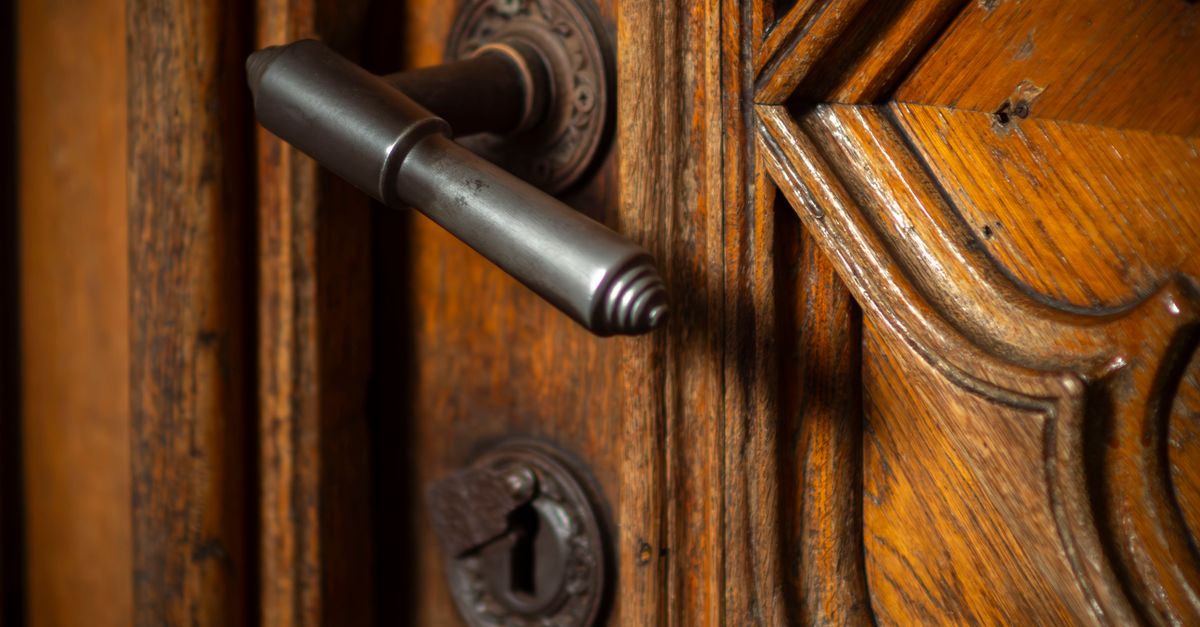
The single biggest mistake Toronto homeowners make is purchasing a smart lock before measuring their door. Most smart locks sold at big-box stores are designed for a standard North American cylindrical bore — a 2-1/8 inch round hole with a 2-3/8 or 2-3/4 inch backset. Homes built after roughly 1970 usually have this prep. Homes built before that? Not so much. Pre-war properties across the Annex, Roncesvalles, and High Park were commonly fitted with mortise lock sets — a large rectangular pocket routed deep into the door edge that accepts a multi-function lock body covering latch, deadbolt, and sometimes a chain or night latch all in one unit. If your door has a mortise lock, you cannot drop a standard smart deadbolt into that opening without significant carpentry. The geometry is completely different. Mid-century homes from the 1940s through 1960s often sit in between: some have cylindrical preps, some have mortise preps that were later retrofit with cylindrical adapters, and some have non-standard backsets (2-3/8 inch was common but occasionally a builder used something shorter). Measure twice before you ever add a smart lock to a cart.
The practical test is simple. Remove your current exterior lock and look at the door edge. If you see a rectangular steel pocket running several inches tall and deep into the door, you have a mortise lock prep. If you see a round or D-shaped hole with a small latch hole below it, you have a cylindrical prep. Also measure the backset — the horizontal distance from the door edge to the center of the cylinder hole — because a 2-3/8 inch smart lock body will not seat correctly in a 2-3/4 inch prep without a backset adapter, and vice versa. Door thickness matters too: Toronto's older solid-wood doors can run 1-3/4 inches or thicker, and some smart locks with internal motors will not fit flush or will bind on an oversized door. Getting these measurements wrong costs you a return trip, a restocking fee, and time you don't have.
## Mortise Lock Compatibility: Your Smartest Path Forward on Older Toronto Doors
For doors with a mortise lock prep, the good news is that the smart lock market has caught up. Several manufacturers now produce smart mortise lock cylinders — essentially a connected cylinder that drops into the existing mortise body while preserving the multi-function lock mechanism your door was designed around. Brands like Schlage have mortise-compatible smart cylinder options that work with industry-standard mortise cases. The trade-off is that the smart functions (keypad, Bluetooth, Z-Wave, or Wi-Fi connectivity) live in the cylinder rather than a bulky exterior unit, which is actually a lower-profile result that suits period-appropriate doors much better aesthetically. What a skilled locksmith can do in this scenario is assess whether your existing mortise lock body is in serviceable condition, replace or rekey the cylinder for the smart module, and ensure the tailpiece engagement is correct so the motor actually drives the deadbolt throw. A worn or misaligned mortise body will defeat even a correctly installed smart cylinder — so the body itself often needs inspection or replacement as part of the job.
For homeowners who want to keep a traditional mortise lock feel while adding smart access, another legitimate approach is a smart lock paired with a secondary deadbolt above or below it, leaving the mortise lock as the primary mechanical lock. This is less elegant but works where the mortise body is not in a condition worth preserving. Either way, do not attempt to fill a mortise pocket with a cylindrical retrofit kit and then install a smart lock over top without professional assessment — the structural integrity of the door edge depends on proper infill and reinforcement, and a poorly patched door edge is an invitation to a kick-in. Our team handles mortise lock work on pre-war Toronto doors regularly and can tell you within minutes which approach suits your specific door.
## Heritage Designations and Exterior Door Hardware: What the Rules Actually Say
Toronto has hundreds of properties designated under Part IV or Part V of the Ontario Heritage Act, concentrated in neighbourhoods like Cabbagetown, Rosedale, and sections of the Beach. If your property carries a heritage designation, any alteration to a 'character-defining element' — which can include the exterior face of the front door, the door surround, original hardware profiles, and sometimes the door itself — requires a Heritage Permit from the City before work begins. The City of Toronto's Heritage Planning team administers this, and the permit process can take several weeks. What catches homeowners off guard is that swapping a visible exterior lock cylinder, installing a keypad escutcheon, or adding a Wi-Fi bridge on an exterior face may technically constitute an alteration requiring review. The guidance is not always black and white, which is why checking with Heritage Planning before scheduling installation is the responsible move.
From a practical standpoint, smart locks that work entirely through a cylinder replacement — with no new exterior hardware visible beyond the existing escutcheon footprint — tend to draw the least scrutiny. Smart locks that replace the full exterior trim plate with a large keypad faceplate are the most likely to require a permit. Interior-side smart components (thumbturn replacements, interior motor units) are generally not subject to Heritage review because they don't alter the exterior appearance. If you're not sure whether your property is designated, the City of Toronto's Heritage Register is publicly searchable online. Our team works on Heritage-designated properties in Toronto and understands when to pause the job and advise you to confirm your permit status rather than push ahead and create a compliance issue you'll have to unwind later.
## When a Locksmith Needs to Modify the Door First — Real Scenarios
Smart lock installation on an older Toronto door is not always a straight swap. Here are four common scenarios where door modification by a professional locksmith is necessary before any smart lock can be correctly installed. First: a cylindrical smart lock going into a mortise-prepped door. The mortise pocket must be carefully infilled with a hardwood insert, drilled for the correct cylindrical bore, and reinforced so the door edge is structurally sound. This is real carpentry inside a security context, not a patch job. Second: a non-standard backset. If your door has a 2-3/8 inch backset but the smart lock you've chosen is fixed at 2-3/4 inches (or vice versa), the latch will not engage the strike plate correctly. The fix is either a different lock model, a backset extender where one exists, or redrilling — which on a solid pre-war door often means going through hardwood with a proper hole saw and backing block. Third: an oversized or undersized bore. Some mid-century Toronto doors were drilled with a 1-1/2 inch bore for older hardware. A 2-1/8 inch smart lock will not seat without redrilling, and the door face around the enlarged hole needs to be covered by the new escutcheon or a cosmetic rose — check that measurement before redrilling. Fourth: an out-of-square door or a sticky jamb. Smart locks with motorized deadbolts require the bolt to travel cleanly into the strike. A door that's settled over 80 years of Toronto winters and humidity cycles may need the strike plate relocated, the jamb shimmed, or the door itself planed before the smart bolt will cycle reliably.
There's also the electrical side to consider with Wi-Fi and Z-Wave smart locks. Battery-powered smart locks are self-contained and the most practical choice for Toronto's older homes, which rarely have conduit running to the door frame for wired options. Battery life varies significantly by lock model, transmission protocol, and how often the lock cycles — a front door in a busy household will drain batteries faster than a side entrance used twice a day. A professional can advise on which connectivity standard (Bluetooth LE, Z-Wave, Zigbee, Wi-Fi) best suits your home's existing smart home setup and how to position any required hub or bridge for reliable signal through older plaster-and-lathe walls. If you're mid-project and running into any of these scenarios, call us at (437) 476-8426 — we answer 24/7 and can assess your door in person before you've committed to a lock that won't work.
## Choosing the Right Smart Lock Format for Your Toronto Home
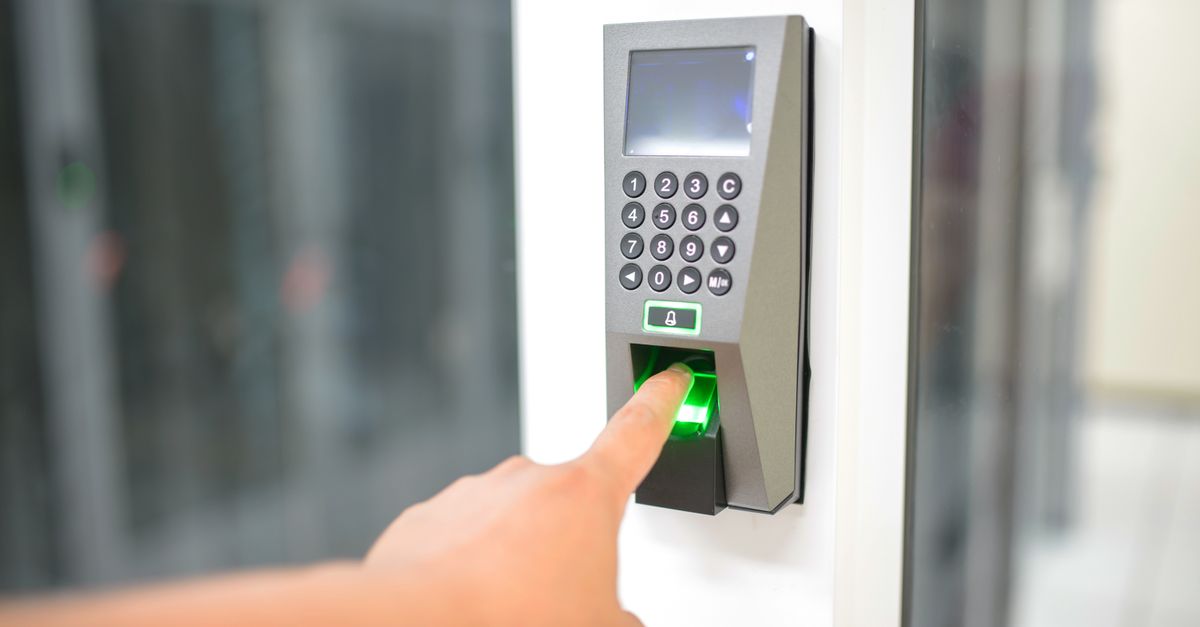
With door prep sorted, here's a practical breakdown of smart lock formats by use case for older Toronto homes. Deadbolt-replacement smart locks (the most common format) work well on cylindrical-prep doors where the existing deadbolt is in a standard position and the backset is confirmed. These swap directly with the existing deadbolt and typically preserve the exterior keyway as a backup. Smart mortise cylinders, as discussed, are the right choice for original mortise-prepped doors where the mortise body is sound. Smart door knob lock replacements are less common in a security-primary role — a door knob lock on its own is not considered adequate as a primary exterior lock regardless of whether it's smart-enabled, because the lock mechanism in a knob is easier to compromise under lateral force than a deadbolt. If your door currently relies only on a door knob lock, the correct upgrade is to add a proper deadbolt alongside it, smart or otherwise. For multi-unit buildings or properties with commercial-style traffic — a Toronto coach house used as a rental, for example — a commercial locksmith assessment may be appropriate, since commercial-grade smart locks are built to higher cycle counts and often support audit trails and multiple credential types that residential locks don't.
One underappreciated option for older Toronto homes is the smart lock adapter — a device that fits over your existing thumbturn on the interior side, turning it automatically without touching the exterior hardware at all. These are genuinely invisible from the street and entirely non-invasive to the door face, making them worth exploring for Heritage-designated properties or for renters who don't own the door and can't make permanent modifications. The trade-off is that you retain your existing exterior key cylinder, so the smart functionality is interior-only (remote locking and unlocking via app, auto-lock scheduling). For homeowners who want keyless entry from the outside, these adapters won't deliver that without pairing with a separate exterior keypad. As with every format, the right choice depends on your specific door, your security priorities, and how you actually use the entrance — which is exactly the kind of assessment a trained locksmith should do before any hardware is ordered.
## Services We Provide for Toronto Homeowners and Property Owners
Toronto Iron Key Locksmith offers a full range of residential, emergency, and commercial locksmith services across the Toronto area, including: mortise lock installation and repair, smart lock installation and programming, deadbolt installation and upgrade, door knob lock replacement, lock rekeying and master key systems, emergency locksmith response for residential lockouts, commercial locksmith services for offices and multi-unit buildings, high-security lock upgrades, lock cylinder replacement, strike plate reinforcement and door frame repair, Heritage-property lock consultation, smart lock compatibility assessment, battery-operated smart lock setup and troubleshooting, keypad and keyless entry installation, Z-Wave and Zigbee smart lock integration, Bluetooth smart lock setup, door prep modification and bore drilling, mortise pocket infill and cylindrical conversion, sliding door and patio lock installation, window lock installation, mailbox and gate lock service, lock-out response with ownership verification, spare key cutting, security audits for residential properties, re-pinning and key control services, and after-hours emergency locksmith response across Toronto neighbourhoods including the Annex, Roncesvalles, Swansea, Cabbagetown, the Danforth, High Park, Rosedale, the Beach, and surrounding areas.
Frequently asked questions
Can I install a smart lock on a door that currently has a mortise lock without replacing the whole door?+
Yes, in most cases — but the approach depends on the condition of the existing mortise lock body and the smart lock format you choose. If the mortise body is sound, a professional locksmith can install a compatible smart mortise cylinder that integrates with the existing mechanism, preserving the door's original prep and appearance. If the mortise body is worn or damaged, the options are to replace the mortise body with a new one that accepts a smart cylinder, or to infill the mortise pocket with a hardwood insert and re-drill for a cylindrical smart deadbolt — a modification that requires professional carpentry and reinforcement. Either way, a locksmith assessment before purchasing any hardware is the right first step.
My Toronto home is Heritage-designated. Do I need a permit to install a smart lock?+
It depends on the visible impact to the exterior. Toronto's Heritage Planning office administers permits for alterations to character-defining elements on designated properties. Smart lock formats that replace only the interior thumbturn or that use an existing cylinder profile without changing the exterior escutcheon footprint are less likely to trigger a permit requirement. Smart locks with large exterior keypads or new trim plates that change the door's visible hardware profile are more likely to require review. The responsible approach is to confirm your designation status on the City of Toronto's Heritage Register and contact Heritage Planning before scheduling installation. Our team regularly works on Heritage-designated properties and can advise on which formats are least likely to create compliance issues.
How much does smart lock installation cost on an older Toronto door?+
There's no single figure because several factors shape the final price: the type and brand of smart lock being installed, whether door modification is needed before installation (bore drilling, mortise infill, strike plate relocation), the time of day the work is performed, and travel distance to your location. When door prep work is required — which is common on pre-war and mid-century Toronto homes — that adds scope to the job. We confirm an exact up-front price before any work begins, so there are no surprises. Call us at (437) 476-8426 for a straightforward quote based on your specific door and lock.
What should I do if I'm locked out of my older Toronto home while waiting to upgrade to a smart lock?+
First, check whether a spare key is accessible through a trusted neighbor, a property manager, or a secure key storage option. Check other entry points you may have access to — a back door or garage entry. Do not attempt to force the lock or door, as this can damage the frame, the lock body, or the door itself, particularly on older Heritage-grade doors where repairs are difficult and potentially subject to permit requirements. If no other access is available, call our emergency locksmith team at (437) 476-8426. We're available 24/7, will verify ownership before proceeding, and can assess your door's current hardware at the same visit to advise on the right smart lock upgrade path.