Mortise Lock Repair & Replacement
Toronto's older housing stock — from the Victorian semis lining Cabbagetown streets to the Edwardian detacheds along Bloor West Village — was built around mortise locks long before the cylindrical lockset became standard. A mortise lock is a self-contained mechanism that fits inside a precisely cut pocket (the "mortise") in the door edge, housing the latch, deadbolt, and strike plate all in one steel body. That engineering is genuinely robust, but decades of Toronto winters, shifting door frames, and worn internal springs eventually catch up with even the best hardware. When they do, Toronto Iron Key Locksmith dispatches a mobile technician directly to your door — no need to remove the lock and drop it at a shop.
Open 24 hours, 7 days a week · Licensed, bonded & insured
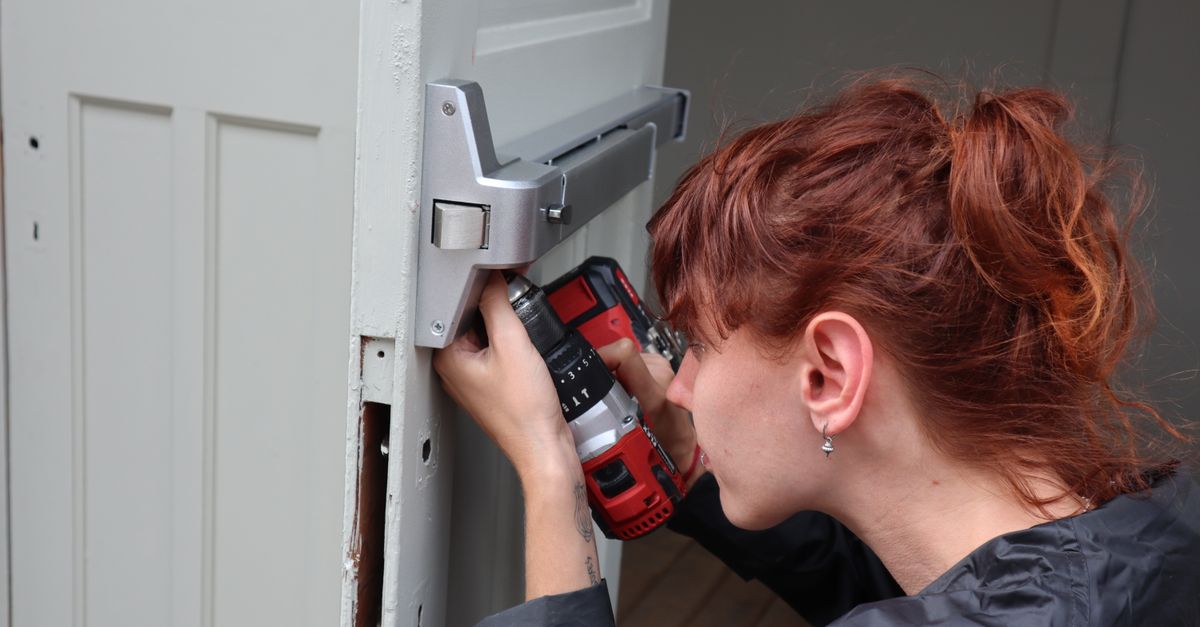
“We are a 24/7 mobile locksmith serving the full Toronto area, and mortise lock work is one of our most-requested calls in older residential neighbourhoods and pre-war commercial buildings alike. Whether you need a single worn component rebuilt, a full mortise lock set swapped out on an exterior door, or an upgrade to a smart mortise lock or electric mortise lock for access control, our trained and insured technicians carry the parts and tools to handle it on-site. We confirm an exact up-front price before any work begins — the quote reflects the lock type, the parts required, the time of day, and travel to your address, so there are no surprises on the invoice.
What we do
Available 24/7
Day, night, weekends and holidays — a real local locksmith answers and rolls a fully-stocked van.
Fast local response
Based in Toronto, we reach the Toronto area in well under an hour.
Insured & background-checked
Vetted technicians, up-front pricing, and no surprise add-ons when we arrive.
Damage-free entry
We pick and bypass locks the right way, so most lockouts are solved without drilling anything.
What Is a Mortise Lock and Why Toronto Homes Still Rely on Them
A mortise lock differs from a modern cylindrical lockset in one fundamental way: its entire mechanism — latch bolt, deadbolt, and sometimes a privacy or passage function — lives inside a rectangular steel case recessed into the door body itself. That design distributes force across a much larger area of the door edge, which is why a properly maintained mortise lock can withstand forceful entry attempts far better than a surface-mounted deadbolt added to an aging door. In Toronto, you find these locks on pre-1950s doors throughout the Annex, Rosedale, Leslieville, and Parkdale, often stamped with legacy brand names like Corbin Russwin or Baldwin — both of which produced exceptionally precise hardware that locksmiths can still service and rekey today.
The trade-off is complexity. A mortise lock has a dozen or more internal components — cams, springs, levers, and a tailpiece — that a cylindrical lock simply does not. When one part fails, the whole unit can seize. Common failure signs include: a latch that won't retract when you turn the knob or lever handle, a deadbolt that travels only partway, a cylinder that spins freely without engaging the mechanism, or a lock body that rattles visibly inside the pocket. Identifying which specific part has failed determines whether repair or full replacement is the more practical path — and that diagnosis is exactly what our technicians perform at your door.
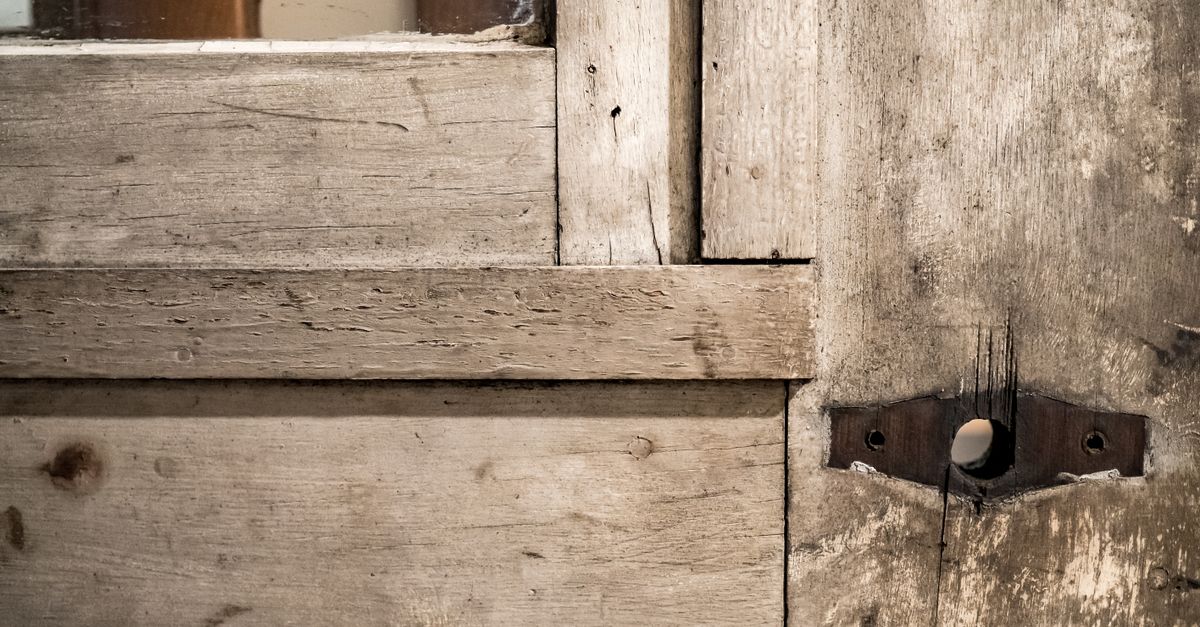
Mortise Lock Repair: Rebuilding What's Already in Your Door
When the door frame and the existing lock body are in sound condition, repair is almost always worth attempting before replacement. Our technicians begin by removing the faceplate and extracting the lock case to inspect the cam follower, the main spring, and the latch and bolt springs individually. A seized Corbin Russwin mortise lock on a century-old door in the Annex, for example, often just needs its dried-out grease flushed and replaced with a modern lubricant, combined with a new main spring — a repair that takes under an hour and restores the original feel of the hardware. Baldwin mortise lock sets, particularly those with solid-brass cases, are especially worth rebuilding because the casting quality exceeds most modern replacements at an equivalent price point.
Cylinder wear is another frequent culprit. The mortise lock cylinder — the plug you insert your key into — is typically a separate component secured by a setscrew, making it one of the easiest parts to swap out without disturbing the rest of the mechanism. If your key has become stiff, if the cylinder has been damaged in a break-in attempt, or if you've lost track of who holds copies, our technicians can replace or rekey the cylinder on the spot. Rekeying is especially practical in Toronto rental properties and multi-unit buildings where tenant turnover is high: you keep the existing hardware, we repin the cylinder to a new key, and the cost factors are simpler than a full replacement.
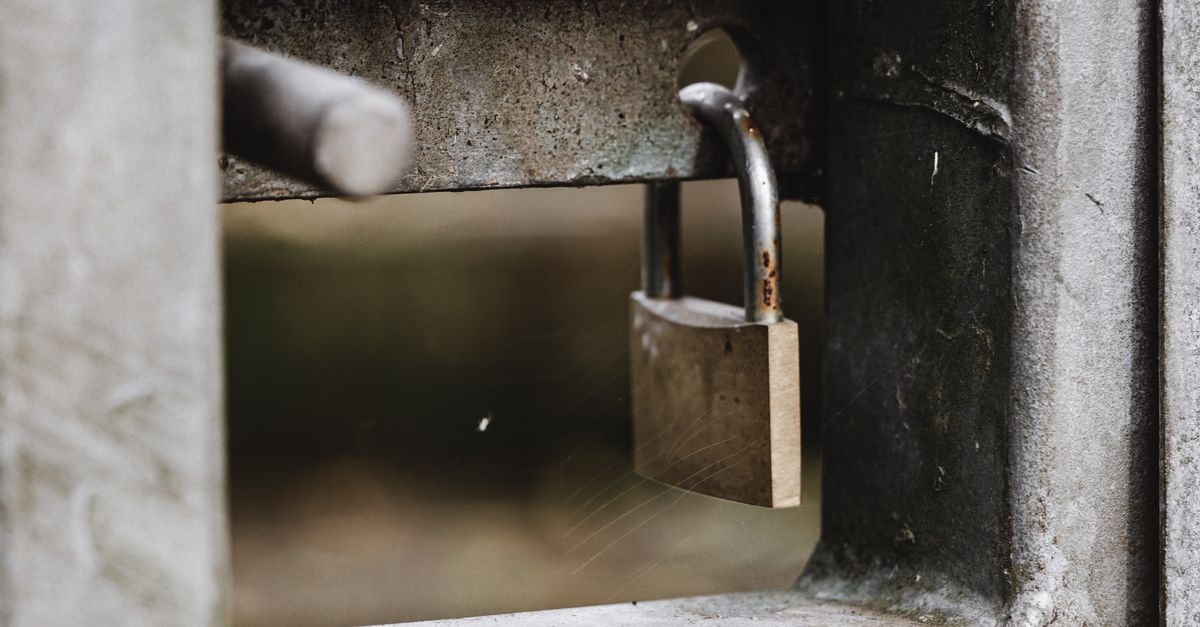
Mortise Lock Replacement and Upgrade Options for Exterior Doors
Sometimes repair isn't the right answer. If the mortise pocket itself has been enlarged by decades of shimming, if the lock body has cracked, or if you're renovating a door and want modern security features, a full mortise lock set replacement makes more sense. For a mortise lock set on an exterior door, the replacement unit must match the backset, case height, and case width of the existing mortise pocket as closely as possible — a poor fit means chiseling or patching the door, which adds both time and cost to the job. Our technicians carry a range of case sizes and can measure your existing pocket before the appointment so the right hardware arrives with them.
Beyond like-for-like swaps, we install several categories of upgraded mortise lock hardware. A smart mortise lock integrates a motorized bolt or latch with a keypad, fob reader, or Bluetooth module, making it a natural fit for Toronto short-term rental properties or home offices where keyless entry matters. An electric mortise lock — common in commercial lobbies, medical offices, and multi-unit buildings along corridors like Yonge Street — adds a solenoid or motor that allows remote release from a buzzer panel or access-control system. For sliding door applications such as patio or garden doors, a sliding door mortise lock provides a flush-mounted latch and hook bolt that integrates cleanly into the door edge without protruding hardware. Whatever direction you're heading, we walk you through the options and confirm the final price before we pick up a screwdriver.
Need a technician today? Call (437) 476-8426 — we answer 24/7 and dispatch across Toronto, including nights and weekends.
Emergency Locksmith and Commercial Locksmith Mortise Lock Services
A failed mortise lock on an exterior door is more than an inconvenience — if the latch won't retract or the deadbolt won't release, you're locked out of your own property. As an emergency locksmith operating around the clock, Toronto Iron Key Locksmith prioritizes these calls. Our technicians are trained to open a stuck mortise lock with damage-free methods wherever possible: manipulating the internal cam, releasing a jammed spring through the cylinder bore, or working through the strike-plate side before ever considering more invasive options. We carry the documentation and verification protocols to confirm ownership before opening any lock, which protects both you and us.
On the commercial side, our commercial locksmith services extend to office buildings, retail storefronts, restaurants, and multi-residential properties that use mortise locks for their main-entry systems. A commercial-grade electric mortise lock tied to an access-control panel has unique servicing requirements — the electrical solenoid, the fail-safe or fail-secure setting, and the mechanical override all need to be checked and documented. We work on door knob lock and lever-trim combinations that are paired with mortise bodies, replacing worn trims, tightening loose spindles, and ensuring the lock body engagement is correct. Whether it's a single door in a Leslieville café or a full corridor of office suites downtown, our mobile team comes to the property fully equipped. Call (437) 476-8426 any time — day or night, our dispatch line is always open.
Frequently asked questions
How do I know if my mortise lock needs repair or full replacement?
The decision usually comes down to three things: the condition of the lock body itself, the condition of the mortise pocket in the door, and the cost of sourcing parts. If the steel case is intact, the pocket fits the case snugly, and the failure is limited to worn springs, a damaged cylinder, or dried-out lubrication, repair is almost always the more practical route. If the case is cracked, the pocket has been badly damaged, or the lock is an obsolete format for which parts are no longer available, replacement makes more sense. Our technicians assess all three factors on-site and give you a recommendation with a confirmed price before starting.
Can you rekey a Corbin Russwin or Baldwin mortise lock to match my other house keys?
Yes. Both Corbin Russwin and Baldwin mortise lock cylinders use standard pin-tumbler configurations that our technicians can rekey on-site using the pinning kits they carry. We can key your mortise lock to match an existing key you use elsewhere in the home — a process called "keying alike" — so you only need to carry one key for all your locks. If the existing cylinder is too worn to repin reliably, we can substitute a new cylinder of the same format and key it to your preference.
What factors affect the price of a mortise lock repair or replacement in Toronto?
Several variables feed into the final quote: the type of lock (standard residential mortise, heavy-duty commercial, electric, or smart), the parts required (cylinder only, full lock case, trim hardware, or electrical components), the time of day (after-hours and emergency dispatch carry a different rate than a scheduled daytime call), and your location within the Toronto service area. We always confirm an exact price upfront before any work begins, so you know the full amount before we proceed.
Do you install smart mortise locks or electric mortise locks for access control?
Yes, both. A smart mortise lock replaces or augments the cylinder with a keypad, Bluetooth reader, or fob module while keeping the robust mortise body in place — a good option for rental units or home offices. An electric mortise lock adds a solenoid to the existing mechanism and connects to a buzzer panel or access-control system, which is common in commercial buildings and multi-residential properties. We assess your door, confirm the correct backset and case size, and install and test the full system on-site.
Can you service a sliding door mortise lock?
Yes. Sliding door mortise locks have a different geometry from swinging-door units — they typically use a hook bolt or a multi-point latch that engages a strike recessed into the door frame. Common issues include a hook bolt that won't fully extend due to a worn cam, a broken return spring, or misalignment from a shifted door track. Our technicians service and replace sliding door mortise lock hardware and can adjust the strike plate alignment at the same visit to ensure smooth operation.
Is it safe to attempt mortise lock repairs myself?
Basic lubrication — applying a dry graphite or PTFE spray into the keyway and working the key — is safe and can resolve stiffness temporarily. Beyond that, we strongly recommend calling a professional. The internal components of a mortise lock are under spring tension, and reassembling the case incorrectly can leave the door unable to latch or lock at all. On an exterior door, a failed DIY repair can leave your property unsecured. Our technicians are trained and insured specifically for this work, carry the correct tools to remove and reinstall the lock case without damaging the door, and warrant their work — so it's a safer and more reliable outcome than a trial-and-error attempt.
Locked out or need a lock fixed? We are on the way.
We answer 24/7 — talk to a real local locksmith now.
(437) 476-8426