Toronto Iron Key Locksmith Service Team
Local locksmith team
Sep 18, 2026 10 min read
Most Toronto homeowners think about home security in terms of whether the door is locked — not whether the lock itself can be defeated in seconds without breaking anything. Lock bumping is a real technique that exploits a fundamental weakness in the pin-tumbler design used by the vast majority of residential locks across the city, from century-old walk-ups near Kensington Market to newer builds along the Lakeshore. If your door has a standard deadbolt or door knob lock, there is a reasonable chance it is vulnerable right now.
This guide explains clearly what bump key attacks are, which lock types commonly found in Toronto homes are at risk, and — most importantly — what specific upgrades actually stop them. No scare tactics, just practical information so you can make a smart decision about your home's first line of defence.
## How Lock Bumping Works — and Why It Is So Effective
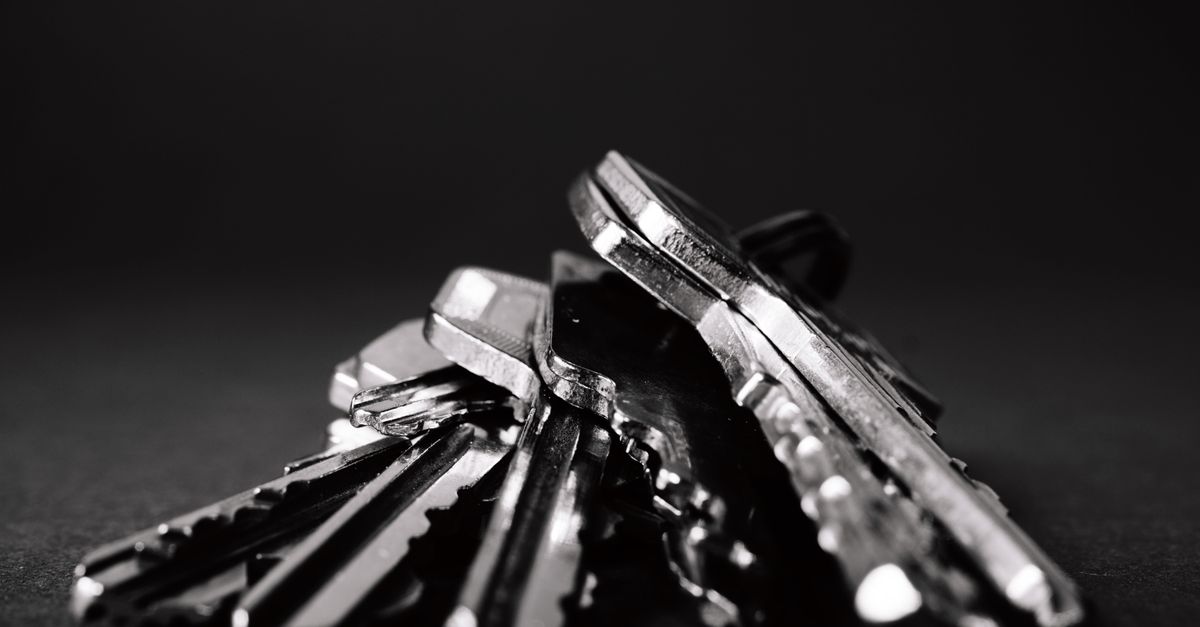
A bump key is a specially cut key filed so that every cut sits at the maximum depth allowed for a given key profile. When it is inserted into a matching lock cylinder and struck sharply while slight rotational pressure is applied, the pins inside the lock momentarily jump to the shear line — the exact position needed to allow the cylinder to turn. The whole process takes a few seconds and leaves almost no visible evidence on the lock hardware. No broken door frame, no scratched cylinder, no sign that anything happened at all. This is precisely why bump attacks are favored by opportunistic intruders: they are fast, quiet, and forensically clean.
The technique works because of how pin-tumbler cylinders are designed. Every standard deadbolt and door knob lock — including many sold under well-known hardware brands — uses this same pin-tumbler principle, which has been in widespread use for over 150 years. The design is not going away, but it can be improved significantly. Understanding which specific locks are vulnerable is the first step toward fixing the problem.
## Which Toronto Home Locks Are Most Vulnerable to Bump Key Attacks
The short answer: most of them. Single-cylinder and double-cylinder deadbolts that use standard five-pin or six-pin pin-tumbler cylinders — the kind installed in the vast majority of Toronto semi-detached homes, condos, and rental units — are susceptible. Basic door knob locks are equally at risk, and because knob locks offer very little resistance to other attack methods as well, they should never be relied on as a primary security layer. If your home has the original hardware installed by a builder or a previous owner and it has never been upgraded, assume it is bumpable.
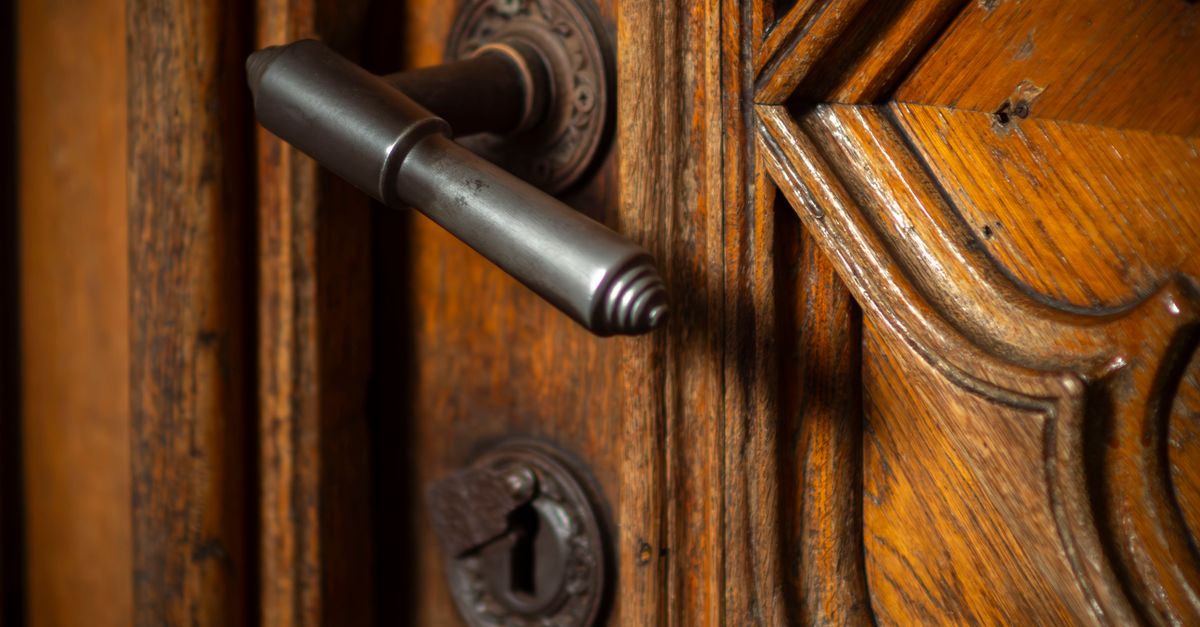
Older Toronto homes — particularly those built before the 1990s in neighbourhoods like The Annex, Leslieville, or Roncesvalles — frequently have mortise lock assemblies. A traditional mortise lock, which fits into a deep rectangular pocket cut into the door edge rather than a simple bored hole, is a different category of hardware. Older mortise lock designs can still be bump-vulnerable depending on the cylinder that is installed in them, but the mortise lock format itself is a stronger overall platform because it integrates the deadbolt, latchbolt, and often a full case mechanism in one robust body. Upgrading the cylinder inside an existing mortise lock to a bump-resistant version is often a cost-effective way to dramatically improve security without replacing the entire door hardware.
## Bump-Resistant Upgrades: What Actually Works
The most reliable defence against bump key attacks is replacing a standard cylinder with one that uses a fundamentally different internal mechanism. High-security cylinders from manufacturers like Schlage and Kwikset's upper-tier lines incorporate sidebar mechanisms, rotating elements, or specially shaped pins — such as spool pins, serrated pins, or mushroom pins — that resist the momentary jump that bumping relies on. Security-grade cylinders that meet ANSI/BHMA Grade 1 standards are a meaningful step up from builder-grade hardware, though truly bump-proof cylinders go further still, using patented keyways and tolerances that make bump keys effectively impossible to produce for that profile.
Beyond the cylinder itself, additional physical measures reinforce your overall door security. A heavy-duty strike plate anchored with 3-inch screws into the door frame stud — rather than the thin jamb material — prevents kick-in attacks that often accompany or replace bumping. Reinforced door frames and hinge-side security are equally important; a bump-proof lock on a weak frame is only a partial solution. For exterior doors with a mortise lock already installed, a skilled locksmith can assess whether a cylinder swap is sufficient or whether the entire lock case needs to be upgraded. Toronto Iron Key Locksmith handles exactly this kind of assessment and upgrade on a daily basis across the city. If you want a professional eye on your current hardware before making any decisions, call us at (437) 476-8426 — we are available around the clock.
## Smart Lock Choices: High-Security Deadbolts and Mortise Lock Options for Toronto Homes
For homeowners starting from scratch or replacing failed hardware, high-security deadbolts with anti-bump, anti-pick, and anti-drill certifications offer the strongest protection. Schlage's B-series high-security deadbolts and their commercial-grade equivalents are well-suited to Toronto's climate — important because freeze-thaw cycles and wood-door expansion common here can affect how a bolt seats over time. For entry doors that see heavy use or are on a property that also has commercial elements — a home-based business, a multi-unit property, a studio above a shop on Dundas West — a properly specified mortise lock with a high-security cylinder is the professional standard. A mortise lock body distributes stress across the full door thickness rather than concentrating it at a single bore hole, which matters both for security and longevity.
Smart locks with electronic cylinders present a different picture. Many use a traditional pin-tumbler cylinder as a physical backup, which reintroduces bump vulnerability if the backup key slot is accessible. If you are considering a smart lock, look for models where the physical cylinder backup uses a sidebar or other high-security mechanism, or where the physical keyway is recessed and difficult to access. Our team can walk you through which specific models make sense for your door type, whether that is a standard entry door, a steel door in a Scarborough townhouse complex, or a heritage door in a Cabbagetown Victorian. As an emergency locksmith service, we also respond when smart lock batteries die or electronic components fail at inconvenient hours — another reason to have a professional assess the full system rather than just the hardware on the shelf.
## Protecting Your Home: Practical Next Steps for Toronto Homeowners
Start by identifying what you currently have. Remove the exterior cover plate of your deadbolt or door knob lock — or simply look at the brand marking on the face of the cylinder. If it is a builder-grade or big-box store lock with no specific security rating, treat it as bumpable and plan accordingly. If you have a mortise lock, note whether the cylinder can be individually replaced; in most cases it can, and that single swap can significantly improve resistance without major door modification.
Book a security assessment with a professional locksmith before spending money on hardware. A trained technician will evaluate your specific door, frame, and lock combination and tell you exactly what upgrade path makes sense — whether that is a cylinder swap, a new deadbolt, a full mortise lock replacement, or additional reinforcement at the strike plate and hinges. The factors that go into the final cost of any upgrade include the type of lock being installed, the condition of the existing door and frame, the specific hardware selected, and the time of day or urgency of the job. Toronto Iron Key Locksmith confirms an exact up-front price before any work begins, so there are no surprises. We serve the full Toronto area — from Etobicoke and North York down to the waterfront — 24 hours a day, seven days a week. Call (437) 476-8426 any time to speak with a trained locksmith directly.
## 25 Services We Provide Across Toronto
Toronto Iron Key Locksmith is a fully mobile, 24/7 emergency locksmith serving residential, commercial, and automotive customers throughout the city. Our services include: residential lockout response, commercial lockout response, mortise lock installation and repair, mortise lock cylinder replacement, high-security deadbolt installation, bump-resistant cylinder upgrades, door knob lock installation and replacement, door knob lock rekeying, master key system design and installation, lock rekeying for new homeowners, ANSI Grade 1 deadbolt installation, strike plate reinforcement, door frame and hinge reinforcement, smart lock installation and troubleshooting, key duplication and restricted keyway key cutting, safe opening and combination changes, garage door lock service, patio door lock installation, window lock installation, commercial-grade lock installation for multi-unit residential properties, access control system consultation, automotive lockout response, car key replacement, transponder key programming, and broken key extraction from locks and ignitions. Whether the call comes at 2 a.m. from a Queen West condo or mid-afternoon from a Scarborough detached home, our team reaches you fully equipped to handle the job on-site.
Frequently asked questions
How do I know if my current deadbolt is bump-resistant?+
Check for an ANSI/BHMA Grade 1 rating and look for additional marketing language such as 'anti-bump,' 'anti-pick,' or 'high-security' on the original packaging or manufacturer's spec sheet. Builder-grade deadbolts sold at hardware stores almost never carry these ratings. If you are unsure, a trained locksmith can examine the cylinder in minutes and give you a definitive answer. Toronto Iron Key Locksmith offers on-site assessments across the Toronto area — call (437) 476-8426 to arrange one.
Is a mortise lock automatically better than a standard deadbolt for bump resistance?+
Not automatically — it depends on the cylinder installed inside it. A traditional mortise lock body is a stronger overall platform because it integrates multiple locking components into a single robust case, and it distributes door stress more effectively than a bored-hole deadbolt. However, if the cylinder in the mortise lock is a standard pin-tumbler grade, it can still be bumped. The good news is that cylinders in most mortise lock assemblies can be swapped individually. A skilled locksmith can fit a high-security, bump-resistant cylinder into your existing mortise lock body, giving you the strength of both the mortise format and a hardened cylinder without replacing the entire assembly.
What is the difference between bump-resistant and bump-proof locks?+
Bump-resistant locks make bumping significantly more difficult by using additional security pins — such as spool or serrated pins — that require precise manipulation beyond what a standard bump key can achieve quickly. Bump-proof locks go further, using patented keyways, sidebar mechanisms, or entirely different locking principles that make the standard bumping technique mechanically impossible regardless of skill or persistence. Bump-proof locks are more expensive and are worth considering for primary exterior doors, high-value properties, or any door that is frequently unsupervised. Your locksmith can explain which tier makes sense for each door in your home based on its exposure and use.
If I am locked out and worried about my lock's security, what should I do?+
First, check for a spare key with a trusted neighbour, family member, or building superintendent — this is always the safest first step. Do not attempt to force the door or use improvised tools, as this can damage the door, frame, or lock beyond easy repair. If you need professional help, call Toronto Iron Key Locksmith at (437) 476-8426. We operate 24/7 as a mobile emergency locksmith across Toronto. When we arrive, we verify ownership before any work is done, and we can discuss a lock upgrade on the spot so you are not re-entering a home with hardware you already know is vulnerable.