Toronto Iron Key Locksmith Service Team
Local locksmith team
Aug 7, 2026 10 min read
Turnover day in a Toronto rental unit should be straightforward — clean the suite, hand over keys, start fresh. But under Ontario's Residential Tenancies Act (RTA), 'starting fresh' has a legal dimension that many landlords overlook until it causes a problem: the locks. Whether you own a Victorian semi in Leslieville, a condo unit near Yonge and Eglinton, or a purpose-built rental in North York, the moment one tenancy ends and another begins, you are responsible for ensuring the new tenant gets exclusive access to their home. That means the old keys — every copy ever made — must no longer work.
This guide is written specifically for Toronto landlords who want to stay on the right side of the RTA, protect their tenants, and avoid costly disputes at the Landlord and Tenant Board. We will walk through when rekeying is legally required, who bears the cost, what lock types make the most sense for rental properties, and how to make the whole process simple with the help of a skilled, insured mobile locksmith.
## What the Ontario RTA Actually Says About Rekeying Toronto Rentals
Section 35 of the Residential Tenancies Act is the one landlords need to know. It states that a landlord must not alter the locking system on a door giving entry to a rental unit or the building unless they give the tenant a replacement key. Read that in reverse: after a tenancy ends, the locking system must effectively be changed so that the incoming tenant holds the only working keys. The Act does not prescribe a specific method — a full lock replacement, a rekey of the existing cylinder, or a rekeyed mortise lock cartridge all satisfy the requirement — but the outcome must be the same: the previous tenant's keys must not open the unit.
The practical consequence for Toronto landlords is clear. If a former tenant kept a copy, gave one to a family member, or had one duplicated at a hardware store on the Danforth, none of those copies should work when your new tenant moves in. Failing to rekey between tenancies is not just a legal risk; it is a safety issue that can expose you to serious liability if something goes wrong. The LTB has awarded remedies against landlords who allowed former tenants to retain working key access, so treating this as a checklist item — not an optional nicety — is the only sensible approach.
## Mortise Lock Rekeying: The Right Choice for Most Toronto Rental Doors
Older Toronto rental stock — the Edwardian brick rows in Roncesvalles, the wartime semis in East York, the converted duplexes along St. Clair West — was built with mortise locks as the standard entry hardware. A mortise lock is a rectangular mechanism that sits inside a mortise (pocket) cut into the door edge, integrating the latch, deadbolt, and sometimes a night latch into one robust body. Because the lock body itself is recessed and anchored to the door structure, mortise locks are significantly more resistant to kick-in and forced-entry attacks than surface-mounted cylindrical locks. For rental properties where you cannot control how carefully tenants treat their hardware, that durability matters.
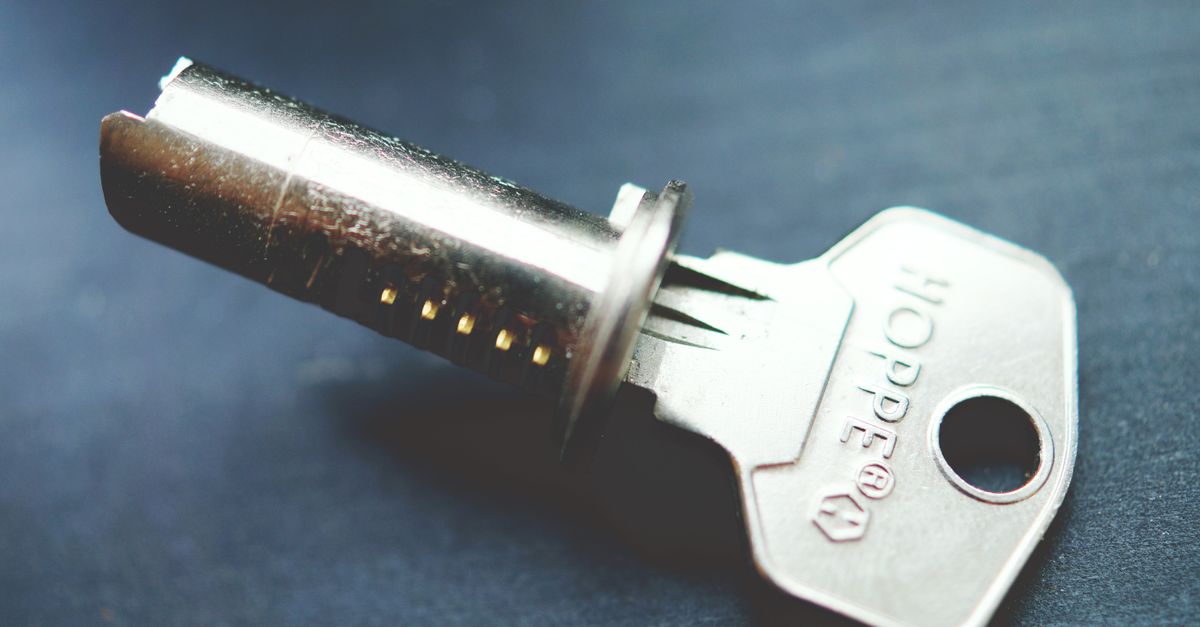
Rekeying a mortise lock is a skilled task that differs meaningfully from rekeying a simple door knob lock or a standard deadbolt. The cylinder must be removed from the mortise body, the pin stack rearranged to match a new key cut, and the cylinder reinstalled with the correct cam orientation so the lock functions properly. A professional who understands mortise lock mechanisms — the range of manufacturers, the variation in cylinder formats, and the interaction between the cylinder and the lock body's internal levers — will complete this quickly and correctly. An untrained attempt risks damaging the mortise body, which is far more expensive to replace than to rekey. Toronto Iron Key's team works with mortise lock hardware daily across Toronto's diverse housing stock, from century-old units with original brass cylinders to modern condo-style mortise sets installed in newer purpose-built rentals.
## Who Pays for the Rekey — and What Affects the Final Cost
Ontario's RTA is straightforward on cost allocation: rekeying between tenancies is a landlord obligation, which means it is a landlord expense. You cannot charge an incoming tenant for the rekey as a condition of moving in, and you cannot deduct it from a departing tenant's last month's rent deposit unless the departure triggered an emergency lock change (for example, a tenant changed the locks without authorization and you had to restore access). Some landlords try to write rekey fees into lease addenda — this approach is legally questionable and not something we recommend relying on.
When you call Toronto Iron Key to arrange a between-tenancy rekey, the factors that shape the final quote include the type and number of locks on the unit (a door knob lock, a mortise lock, and a secondary deadbolt are three separate cylinders), the hardware brand and cylinder format (Schlage, Kwikset, and various European-format cylinders all have different pin configurations and parts availability), the time of day the work is needed, and our travel distance to the property. We confirm an exact up-front price before any work begins — there are no surprises after the job is done. If you manage multiple units and need a batch rekey at turnover, let us know; we can schedule efficiently to minimize your time on site.
## Emergency Locksmith Situations During Tenant Transitions
Not every lock change happens on a tidy Tuesday afternoon. As an emergency locksmith serving Toronto around the clock, we regularly handle transition-period scenarios that cannot wait for a scheduled appointment: a tenant who changed the locks without permission (a violation of the RTA, by the way — tenants must also get landlord consent before altering a locking system), a key that was not returned at move-out, a lock that was damaged during an eviction, or a new tenant who arrives at a unit to find the previous occupant has not yet vacated. These situations are stressful, and some of them carry legal nuances — but ensuring a new tenant can safely access their home is always the immediate priority.
If you find yourself locked out of your own rental unit during a changeover — perhaps because a tenant changed the hardware — we can help you regain access through legitimate, ownership-verified means. We will ask for proof that you are the property owner or authorized property manager before proceeding. Once access is restored, we can rekey or replace the lock immediately so the unit is secured correctly before the new tenancy begins. Our mobile units carry a broad inventory of cylinders, pins, and lock hardware, so in most Toronto neighborhoods — whether you are in Scarborough, Etobicoke, the Junction, or downtown — we can complete the full job in a single visit. Call us any time at (437) 476-8426 and we will dispatch a skilled technician promptly.
## A Practical Rekeying Checklist for Toronto Landlords at Every Turnover
Building a consistent process protects you legally and operationally. Start at move-out: document every key returned, including mailbox keys, parking fobs, and any building master keys. Do not assume a tenant returned all copies just because they handed back what they were originally given — many tenants duplicate keys without mentioning it. Once the unit is vacant, schedule the rekey before the new tenant's move-in date, not on the same day. This gives you a buffer if the locksmith encounters an unexpected hardware issue, such as a worn mortise lock that needs a cylinder replacement rather than a simple rekey, or a door knob lock with a non-standard keyway.
On the day of the rekey, have the technician service all entry points: the primary entry door (which may have both a mortise lock and a separate deadbolt), any secondary or rear entry doors, and any shared-building entry locks for which the tenant will receive keys. Ask for a work record noting which cylinders were rekeyed and what key cuts were used — this documentation is worth keeping in your tenant file. Finally, provide the new tenant with the agreed number of keys in writing, per your lease, and note it on the move-in inspection form. This paper trail is your best defense if a key-access dispute ever reaches the LTB.
## Commercial Locksmith Services for Multi-Unit and Mixed-Use Toronto Properties
Many Toronto landlords own properties that blur the line between residential and commercial: a main-floor retail unit with apartments above, a mixed-use Victorian with a commercial locksmith-grade master key system serving multiple suites, or a rooming house where access control across a dozen doors needs to be coordinated. In these settings, a standard residential rekey approach is often insufficient. What you need is a keyed-alike or master-key system designed so that individual tenants have exclusive access to their own units while you retain a single landlord master key — and every cylinder in the building can be rekeyed from the master without replacing hardware.
Toronto Iron Key provides commercial locksmith services scaled for Toronto's varied rental property landscape. We can design and install master key systems, rekey existing systems when a tenant in a multi-suite building moves out (without affecting the other tenants' keys), upgrade worn or outdated mortise lock hardware to current-grade cylinders, and add high-security keyways that are difficult to duplicate at a standard hardware store. If your property has grown organically and your current key system is a confusing mix of different hardware generations, a consultation with our team can help you build a coherent, compliant, and secure system from the ground up. Reach us any time at (437) 476-8426.
Frequently asked questions
Am I legally required to rekey my Toronto rental unit between every tenancy?+
Yes, under Ontario's Residential Tenancies Act you are responsible for ensuring that a new tenant's right to exclusive access is protected. In practice, this means the previous tenant's keys must not work when the new tenancy begins. Rekeying the locks — including any mortise lock, door knob lock, or deadbolt on the unit entry — is the standard way to meet this obligation. Failing to do so can result in LTB remedies and, more seriously, genuine safety risks for your incoming tenant.
Can I rekey just one lock if the unit has both a mortise lock and a deadbolt?+
You should rekey every cylinder that provides access to the unit. If the entry door has both a mortise lock and a separate deadbolt, both need to be rekeyed — a previous tenant's key may only operate one of them, but you cannot be certain of that, and leaving any working cylinder unchanged defeats the purpose of the exercise. Our technicians will assess every lock point on the door and give you a complete solution in a single visit.
How long does a between-tenancy rekey typically take?+
A straightforward rekey of one or two standard cylinders on a single-unit door — for example, a door knob lock and a deadbolt — usually takes less than an hour on site. A mortise lock rekey takes a bit longer because the cylinder must be correctly removed and reinstalled within the lock body, but it is still a same-visit job in most cases. Properties with multiple suites, master key systems, or older hardware that needs assessment will take more time. We will give you an honest time estimate along with your up-front price when you call.
What if my tenant changed the locks before moving out and I cannot get into the unit?+
A tenant who changes the locking system without the landlord's consent is in breach of the Residential Tenancies Act. As the property owner or authorized manager, you have the right to regain access to your own unit — but the method matters. Toronto Iron Key can help you regain access through legitimate, verified means after confirming your ownership or authorization. We do not perform any work that bypasses locks without proper verification. Once access is restored, we rekey or replace the hardware immediately so the unit is properly secured for the next tenancy. Call (437) 476-8426 any time — we are available 24 hours a day, seven days a week.